Yard Management for Container-Intensive Operations: Reducing Dwell Time and Demurrage
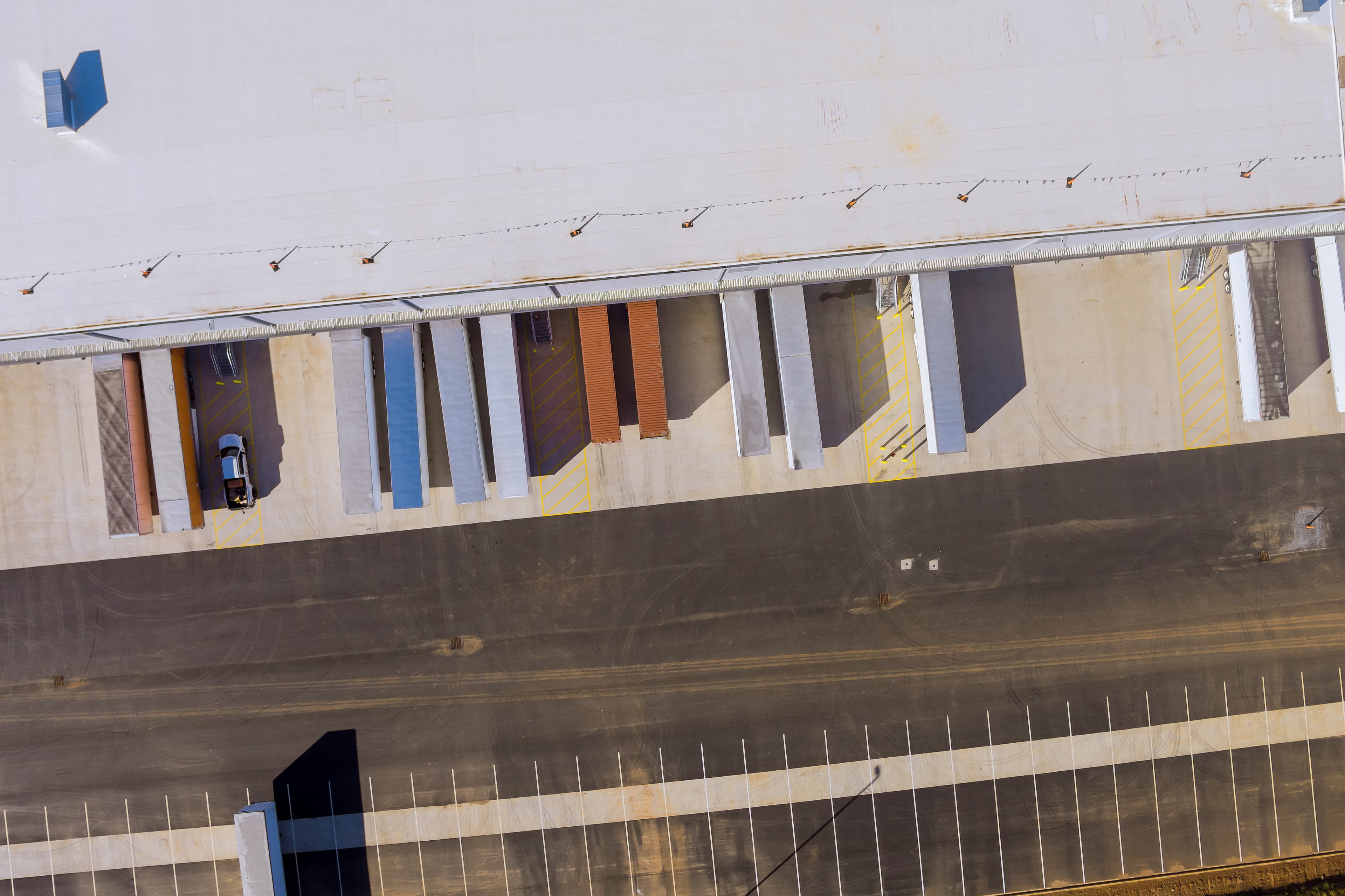
For manufacturers running large returnable container programs, the yard is one of the most expensive pieces of unmanaged real estate in the operation. Trailers loaded with containers sit for hours or days waiting for dock doors. Empty container trailers stage for outbound shipments with no visibility into when they will actually move. The yard becomes a buffer for every upstream and downstream inefficiency in the container supply chain.
The costs are real but often invisible. Demurrage charges accumulate when trailers sit too long. Detention fees pile up when carriers cannot get in and out efficiently. Yard capacity that could support production material movement is consumed by container trailers with no clear priority or schedule. And because most manufacturers manage their yards with clipboard processes or generic logistics tools, nobody has the data to quantify the problem, much less fix it.
Why Container Operations Make Yard Management Harder
Most yard management discussions focus on inbound raw materials and outbound finished goods. For manufacturers with significant returnable container programs, the yard handles a third category of traffic that complicates everything: the circular flow of containers.
Container trailers arrive with empties returning from suppliers. Those empties need to be unloaded, but the urgency varies. A trailer containing containers needed for tomorrow's production shipment is critical. A trailer with containers that will not be needed for two weeks is not. Without a system that connects yard operations to container demand, both trailers are treated the same: they wait in the queue.
Outbound container trailers present the opposite challenge. Empty containers need to be loaded onto trailers for return to suppliers, but the loading schedule depends on supplier shipping windows, carrier availability, and the priority of returning specific container types to avoid shortages downstream. Without visibility into these variables, the yard team loads whatever is convenient rather than what is strategically optimal.
This bidirectional container traffic, layered on top of standard inbound and outbound material flows, creates a yard management problem that is fundamentally more complex than what most generic tools are designed to handle.
The Dwell Time Problem
Trailer dwell time in the yard is the most directly measurable cost of poor yard management. Every hour a trailer sits in the yard costs money, either in direct demurrage and detention charges or in the opportunity cost of yard capacity that could be used for higher-priority moves.
For container-intensive operations, dwell time is driven by two factors: the lack of visibility into what is on each trailer, and the lack of prioritization logic that sequences yard moves based on operational need.
When the yard team does not know which containers are on which trailers, they cannot prioritize unloading. A trailer with urgently needed containers may sit in a back row while the yard jockey moves a lower-priority trailer simply because it is more accessible. The result is that critical containers arrive late to the warehouse while non-urgent trailers consume dock door time.
A container-aware yard management system solves this by linking every trailer to its contents, connecting those contents to production demand, and generating a prioritized yard move sequence that reflects the actual operational need. The highest-priority trailers get unloaded first. The dock doors serve the containers that matter most. Dwell time drops because the yard is working smart rather than working in order of arrival.
Demurrage and Detention: The Preventable Cost
Demurrage and detention charges are a direct financial consequence of yard inefficiency. Carriers charge demurrage when their equipment sits idle beyond the agreed free time. Detention applies when drivers are waiting longer than scheduled for loading or unloading.
For a large manufacturer processing dozens of container trailers per day, these charges can total hundreds of thousands of dollars annually. They are often accepted as a cost of doing business, buried in freight invoices, and not attributed to the yard operations that caused them.
The most effective way to reduce demurrage and detention is to improve trailer turn time: get trailers in, unloaded or loaded, and back out within the free time window. This requires coordinated scheduling (aligning trailer arrivals with dock door availability), efficient yard moves (minimizing the time between arrival and dock assignment), and fast load and unload operations (having the right containers staged and the right labor allocated).
A YMS that understands container operations makes this coordination possible. It schedules inbound trailers against dock door capacity, sequences yard moves to minimize repositioning, and alerts the operations team when a trailer is approaching its free time threshold so that it can be prioritized before charges accrue.
Connecting the Yard to the Warehouse
The yard does not operate in isolation. It is the transition zone between the external supply chain and the internal warehouse operation. For container management, this connection is especially important.
When a trailer is unloaded at a dock door, the containers move into the warehouse where they are received, inspected, and either routed to storage, repair, or directly to staging for reuse. The speed and efficiency of this transition depends on the warehouse knowing what is coming before the trailer reaches the dock.
A connected YMS and WMS provides this advance visibility. The warehouse team knows, before the dock door opens, which container types and quantities are on the trailer, what condition they are expected to be in, and where they should be routed. Labor can be pre-allocated. Staging areas can be prepared. The unload and put-away process runs smoothly because it was planned, not improvised.
The same connection works in reverse for outbound container shipments. The WMS identifies which containers are ready for return, the YMS stages the appropriate trailer, and the loading process is coordinated to maximize trailer utilization and minimize dock door occupancy.
Data-Driven Yard Operations
The greatest long-term benefit of a container-aware YMS is the data it generates. Over time, the system builds a detailed picture of yard performance: average dwell times by carrier, by container type, and by lane. Dock door utilization rates. Peak capacity windows. Demurrage trends and root causes.
This data transforms yard management from a reactive, experience-dependent operation into a planned, optimized function. Carrier performance can be benchmarked. Dock door schedules can be optimized for container throughput. Yard capacity can be planned against seasonal volume patterns rather than managed through improvisation.
For container-intensive manufacturers, the yard is not a parking lot. It is an operational node that directly impacts container availability, freight cost, and production continuity. Managing it with the same rigor as the warehouse and the production floor is not optional. It is the missing piece in most returnable container programs.