Why Returnable Container Programs Fail (And How to Fix Them)
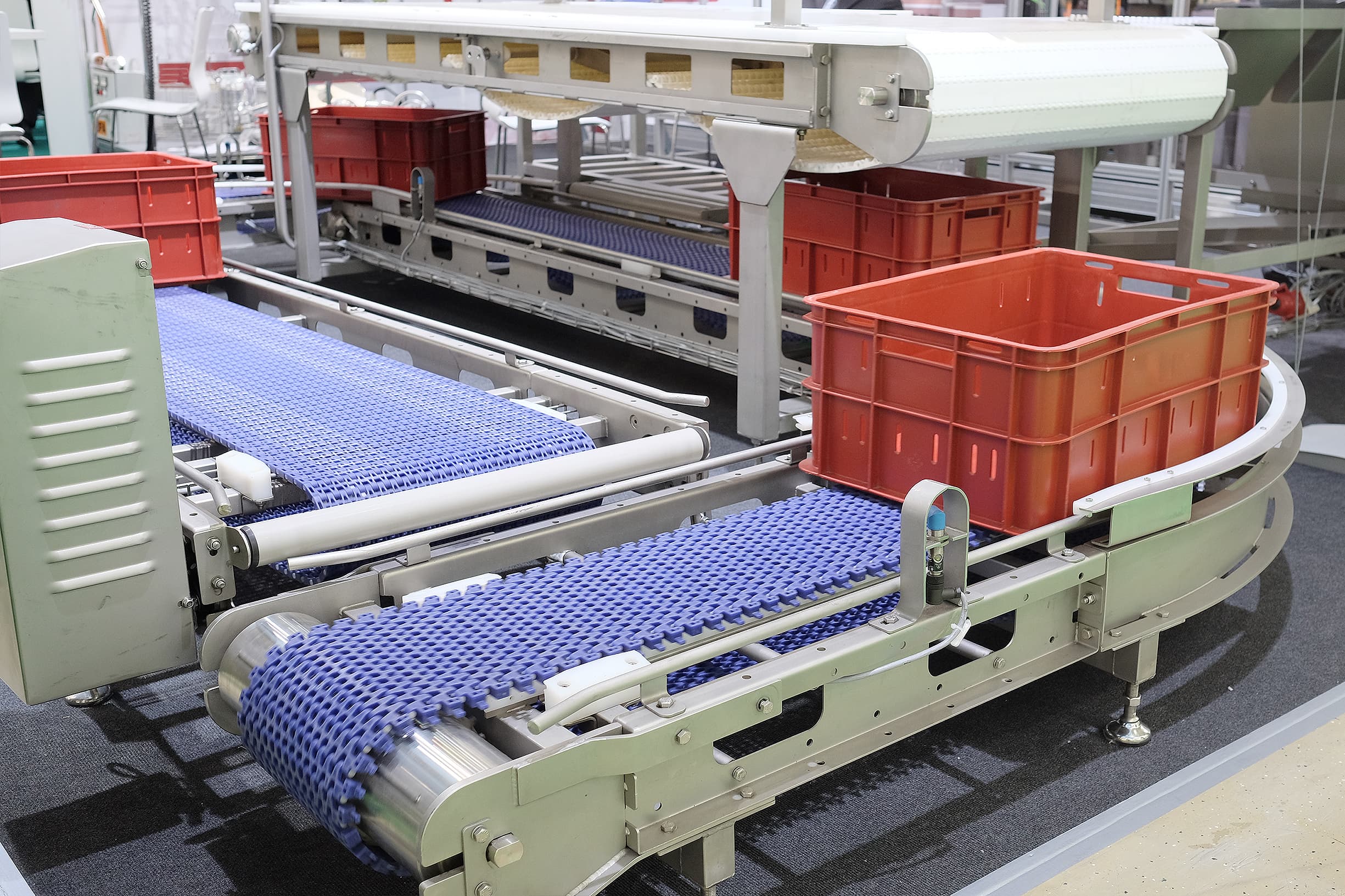
Every large discrete manufacturer has had some version of the same conversation: containers are disappearing, the packaging budget is ballooning, and nobody can explain where the money is going. The decision to invest in returnable containers was supposed to solve this. Durable containers, cycling between plants and suppliers in a closed loop, replacing the endless burn of expendable packaging. The math was compelling. The business case was approved.
And yet, years later, the program is underperforming. Containers leak out of the system. Suppliers hoard them. Nobody trusts the data. The packaging team spends its time firefighting instead of optimizing. Sound familiar?
Returnable container programs fail not because the concept is flawed, but because the operational infrastructure behind them is underestimated. After 25 years of working with automotive, aerospace, and heavy equipment manufacturers on exactly this problem, we have seen the same failure patterns repeat across industries, geographies, and company sizes. Here are the most common ones, and what it takes to fix them.
The Visibility Gap
The single most common reason returnable programs underperform is deceptively simple: nobody knows where the containers are.
Most manufacturers begin their returnable journey with spreadsheets or rudimentary tracking bolted onto an ERP system that was never designed for circular asset flows. The containers leave a shipping dock, and from that moment forward, the manufacturer is relying on suppliers to self-report what they have, when they shipped it back, and in what condition. That data is inconsistent at best and fictional at worst.
Without real-time, system-level visibility into where containers are in the loop, everything downstream breaks. You cannot forecast demand against what you cannot see. You cannot hold suppliers accountable against data you do not trust. You cannot optimize pool sizes when you are guessing how many containers are actually in circulation versus sitting idle in a supplier's yard.
The fix is not incremental. It requires a purpose-built platform that tracks every container movement across every node in the supply chain: shipment to supplier, dwell at supplier, return shipment, receipt, inspection, and redeployment. RFID and IoT sensor technology have made this operationally feasible at scale, but the technology only works when it is integrated into a system that understands the logic of circular packaging flows.
Treating Containers Like Freight Instead of Assets
Here is a mental model problem that plagues most programs: manufacturers treat returnable containers as a logistics cost rather than a depreciating capital asset. When containers are managed inside a transportation or freight management framework, the focus is on moving them from point A to point B. When they are managed as assets, the focus shifts to utilization rates, cycle times, shrinkage rates, and total cost of ownership.
That distinction matters enormously. A freight-centric view will never surface the insight that a particular supplier is sitting on 60 days of container inventory when the target is 10. It will never flag that a specific container type has a 22% annual loss rate while a comparable type is at 4%. It will never connect slow return cycles at one supplier to expedited packaging purchases at the OEM.
Fixing this requires a shift in both systems and organizational thinking. The containers need to be tracked as serialized or pooled assets with defined lifecycle stages, assigned dwell time targets, and automated exception alerting. The team managing the program needs dashboards built around asset performance, not just shipment status.
Supplier Accountability Without Teeth
Every returnable container program depends on supplier cooperation. Containers flow outbound to suppliers full of parts and are supposed to come back empty, clean, and on time. In practice, suppliers have very little incentive to prioritize returning someone else's containers. They are measured on parts delivery, quality, and cost. Empty container returns are, at best, a nuisance.
Manufacturers who rely solely on goodwill or occasional emails to manage supplier returns will always be disappointed. The programs that work have three things in common: clear contractual terms around container dwell times and condition requirements, system-generated scorecards that make compliance (or non-compliance) visible to procurement, and an escalation process that connects chronic container abuse to commercial consequences.
None of that is possible without accurate, auditable data. Which brings us back to visibility. These failure modes are interconnected. You cannot enforce accountability without data, and you cannot get data without a system designed to capture it.
The Spreadsheet Ceiling
Many manufacturers have tried to solve these problems with spreadsheets, Access databases, or homegrown tools maintained by a single analyst who knows where all the formulas live. These solutions work, up to a point. That point is typically somewhere around 50 suppliers, 200 container types, and three plants. Beyond that, the complexity overwhelms the tooling.
The symptoms are predictable: reconciliation takes days instead of minutes, nobody agrees on the numbers, and the program manager spends 80% of their time maintaining the tracking system instead of actually managing the program.
The ceiling is not a people problem. It is a systems problem. Returnable container management is a specialized domain with its own data model, its own workflows, and its own reporting requirements. It does not fit neatly into ERP, TMS, or generic WMS platforms because none of those systems were designed to manage circular asset loops across a multi-party supply chain.
Container MRP: The Missing Planning Layer
Even manufacturers with decent visibility into their container pool often lack a planning layer that connects container supply to production demand. They can tell you how many containers they have, but they cannot tell you how many they will need in three weeks, which suppliers will need replenishment, and whether the current pool size is right-sized for actual demand patterns.
This is the container MRP problem, and it mirrors the same planning logic that manufacturers already apply to raw materials and components. Just as a production planner would never run a factory without MRP for parts, a packaging operation should not run without a demand-driven plan for containers. The inputs are different (production schedules, supplier lead times, transit times, dwell targets, loss rates), but the logic is the same: match supply to demand, identify gaps early, and take action before shortages hit the line.
Manufacturers who layer container MRP on top of their tracking data see dramatic reductions in both emergency container purchases and excess pool inventory. It is the difference between reacting to shortages and preventing them.
Organizational Orphan Syndrome
A subtler but equally damaging failure mode is organizational. Returnable container programs often do not have a clear home. They sit somewhere between supply chain, logistics, packaging engineering, and procurement, owned partially by several groups and fully by none. Without a clear owner with authority, budget, and accountability, the program drifts. Best practices erode. Technology investments stall.
The fix is not complicated, but it does require executive sponsorship. The program needs a defined owner, a clear mandate, and the systems infrastructure to execute. The most successful programs we have seen treat returnable container management as a distinct operational discipline, not an afterthought bolted onto someone else's job.
Getting From Here to There
If your returnable container program is struggling, the path forward is not to start over. It is to address these failure modes systematically. Start with visibility. Build the data foundation that makes everything else possible. Layer in asset management logic, supplier accountability mechanisms, and demand-driven planning. Give the program an organizational home with real authority.
The manufacturers who get this right do not just stop losing containers. They unlock meaningful, measurable savings in packaging spend, freight costs, line-side disruptions, and working capital tied up in excess container inventory. The business case that justified the returnable program in the first place finally delivers on its promise.
The difference between a returnable container program that works and one that frustrates everyone involved is almost never the containers themselves. It is the system, the data, and the operational discipline behind them.